Why Strategic Planning Defines Success in Construction Projects
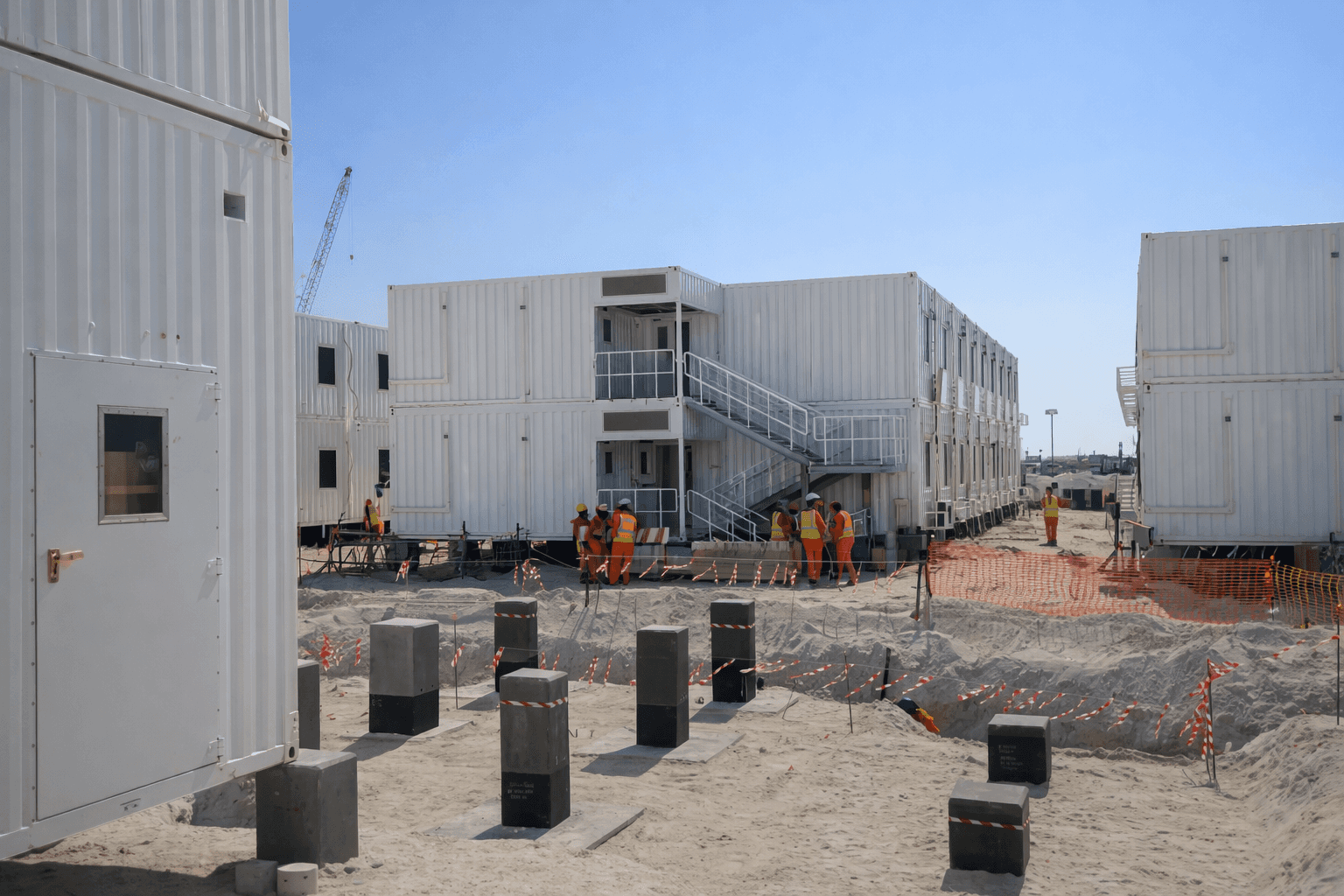
Strategic planning is the backbone of any successful construction project. It establishes a clear roadmap that aligns stakeholders, resources, timelines, and financial expectations from the outset. Without a structured plan, projects often face delays, budget overruns, and operational inefficiencies that can compromise overall outcomes.
A well-developed strategic plan ensures that every phase of the project is defined in advance, from feasibility studies to execution and delivery. It enables project teams to anticipate risks, allocate resources effectively, and maintain control over costs. More importantly, it creates a shared vision among all stakeholders, minimizing miscommunication and ensuring alignment throughout the process.
In today’s complex construction environment, strategic planning also incorporates data-driven decision-making. Leveraging digital tools, predictive analytics, and scenario modeling allows companies to simulate different outcomes and prepare for uncertainties. This proactive approach not only increases efficiency but also enhances resilience against unexpected challenges.
Ultimately, strategic planning transforms construction from a reactive process into a controlled, forward-thinking operation. It is not just a preliminary step but a continuous framework that guides decision-making and ensures project success from start to finish.