5 Critical Operational Mistakes in Modern Construction Projects (and How to Fix Them)
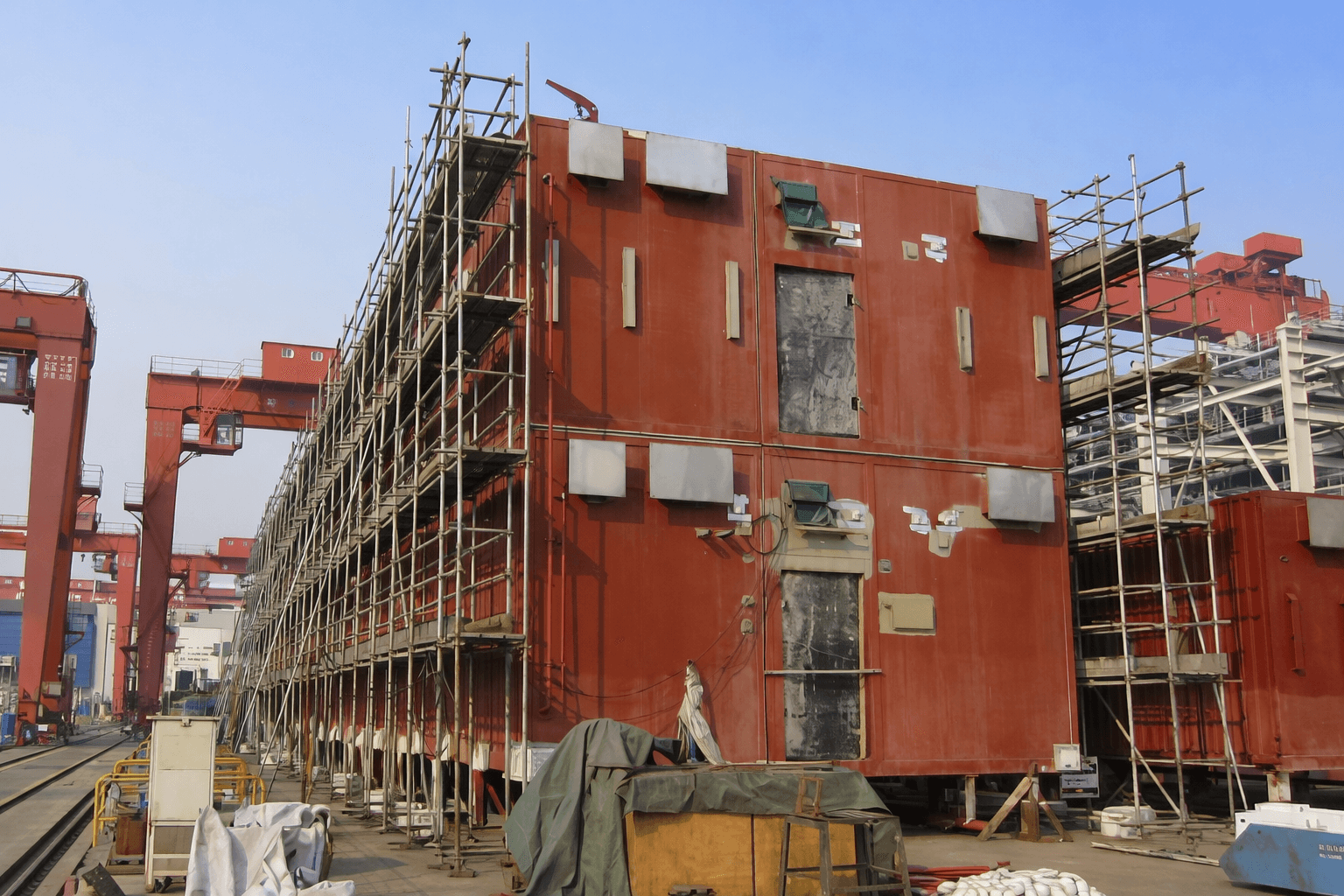
Modern construction projects operate in highly dynamic environments, yet many still fail due to recurring operational mistakes. One of the most common issues is poor communication between stakeholders, which leads to misaligned expectations and costly delays. Establishing centralized communication systems and clear reporting structures can significantly reduce this risk.
Another major mistake is inadequate resource planning. Projects often underestimate labor, materials, or time requirements, resulting in inefficiencies and budget overruns. Implementing detailed forecasting and real-time monitoring systems helps ensure resources are allocated accurately and adjusted when needed.
Lack of risk management is also a critical failure point. Many projects do not proactively identify potential risks, leaving teams unprepared when issues arise. Developing a structured risk management framework allows teams to anticipate challenges and respond quickly.
Technology underutilization is another key problem. Despite the availability of advanced tools such as BIM and project management software, many companies rely on outdated methods. Integrating digital solutions improves transparency, coordination, and decision-making across all project stages.
Finally, weak project leadership can undermine even the most well-planned initiatives. Strong leadership ensures accountability, maintains momentum, and drives alignment across teams. Addressing these operational gaps not only prevents failure but also creates a more efficient and predictable construction process.